The Glen Park

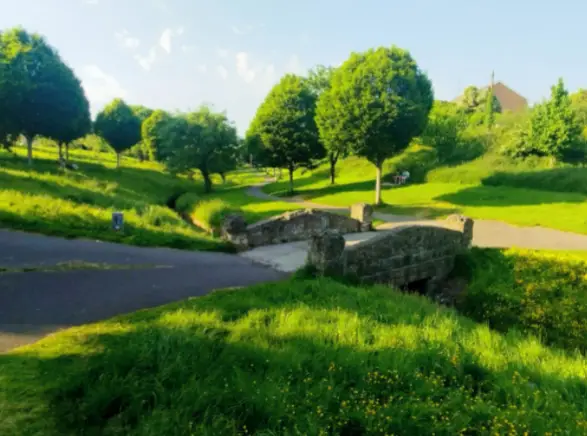
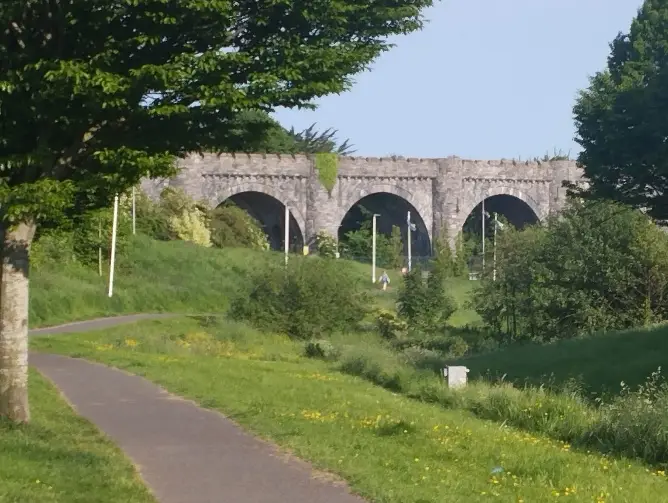
The Glen Park extends across approximately 10 acres of land, shaped thousands of years ago by a glacier that carved its way from Killineer before entering the River Boyne at Ushers Mill. Through the heart of the park runs a stream which, in times past, provided the energy source for a flour mill and two flax mills, reflecting the area’s rich industrial heritage.

Over the years, Louth County Council developed plans to landscape the entire area and began extensive tree planting throughout the park. Their vision even included the outline of a fish formed within the landscape itself, designed to be illuminated at night. Along the stream, a basin and shallow pool measuring approximately 20 feet in diameter and two feet deep became a focal point for the community, where children could play under supervision and locals often brought their dogs for a wash.

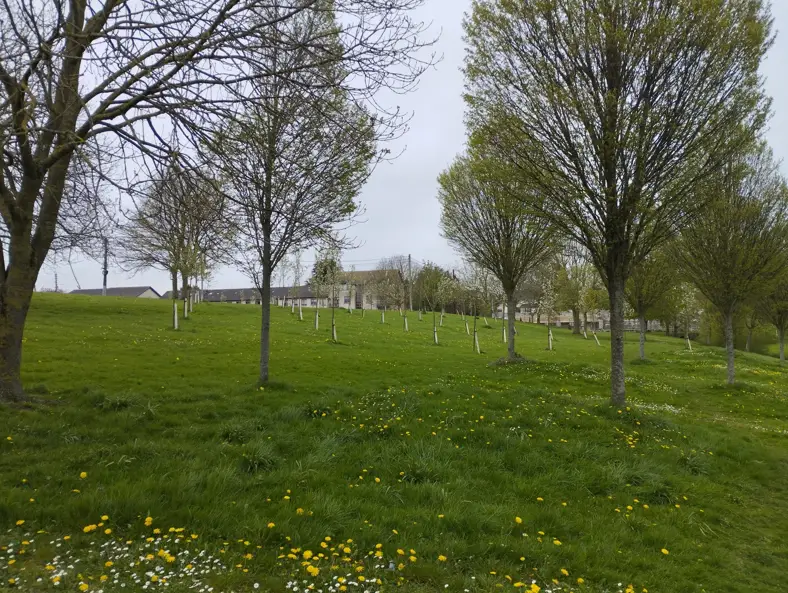
A pathway with public lighting was also installed alongside the stream, creating a pleasant and accessible walkway through the park. Tree planting included species such as Common Hornbeam and Common Hazel, while mature established trees including Sycamore, English Oak, and Norway Maple were carefully preserved.

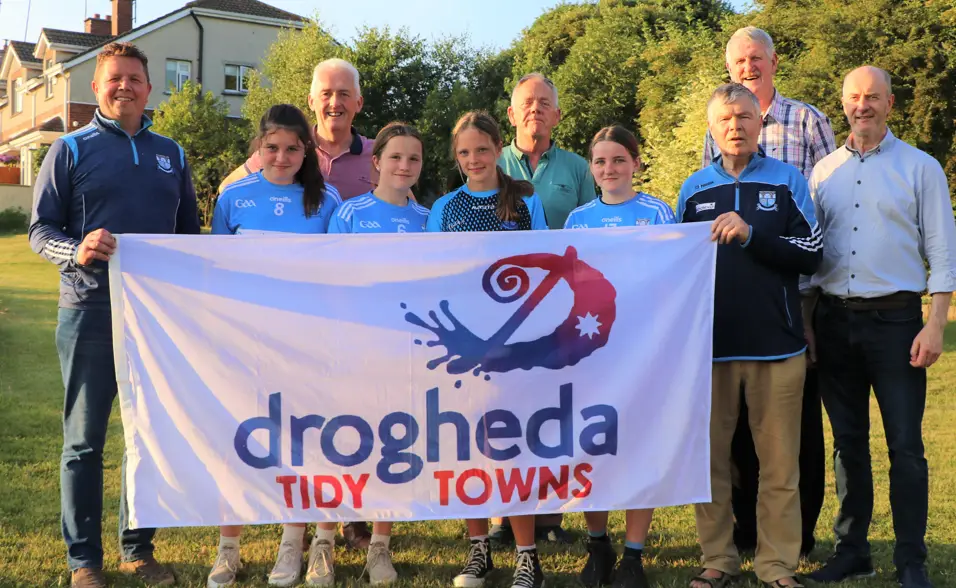
Through Leader Funding, Drogheda Tidy Towns was able to work from the Council’s original plans, adapting them to better suit the needs of the local community while also enhancing biodiversity throughout the park.

Work began with clearing and restoring the stream banks as far as the rear of the Newfield houses, removing years of rubbish and overgrowth. Planting of Common Hazel was continued along the lower embankments, while a 250-metre native Irish defensive hedge — including Holly, Whitethorn, and Blackthorn — was planted to provide privacy and shelter for neighbouring residents.
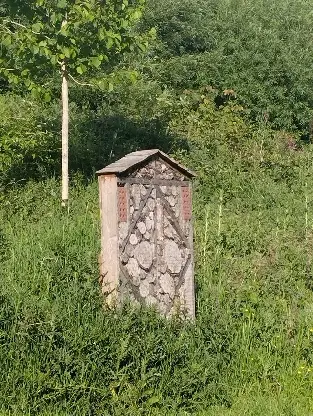
In keeping with biodiversity goals, rubble, stones, branches, and hedge cuttings removed during the clean-up were carefully gathered into habitat mounds to encourage insect life. Two bee hotels were also installed, while wildflowers were sown along the embankments to support pollinators and add seasonal colour to the park.

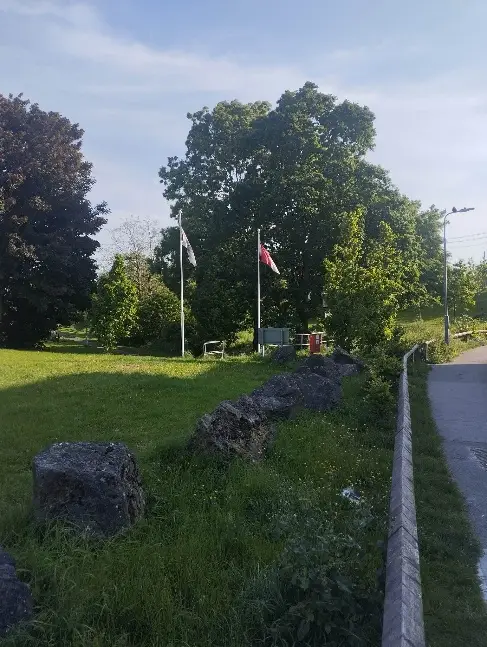
Special attention was given to the park’s three entrances, with the aim of creating the feeling of “walking into a park.” New pathways were laid and four Common Hornbeams planted at each entrance, which in time will mature into dense natural features that create a welcoming sense of arrival. A knee fence with native hedging behind it was installed at one entrance, while two flagpoles were erected at each entrance as a finishing touch.
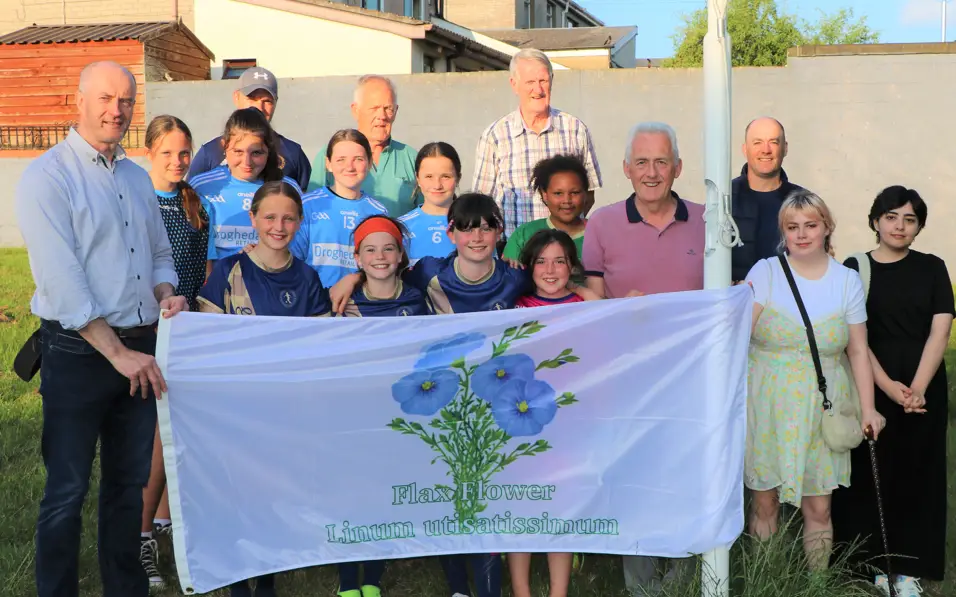
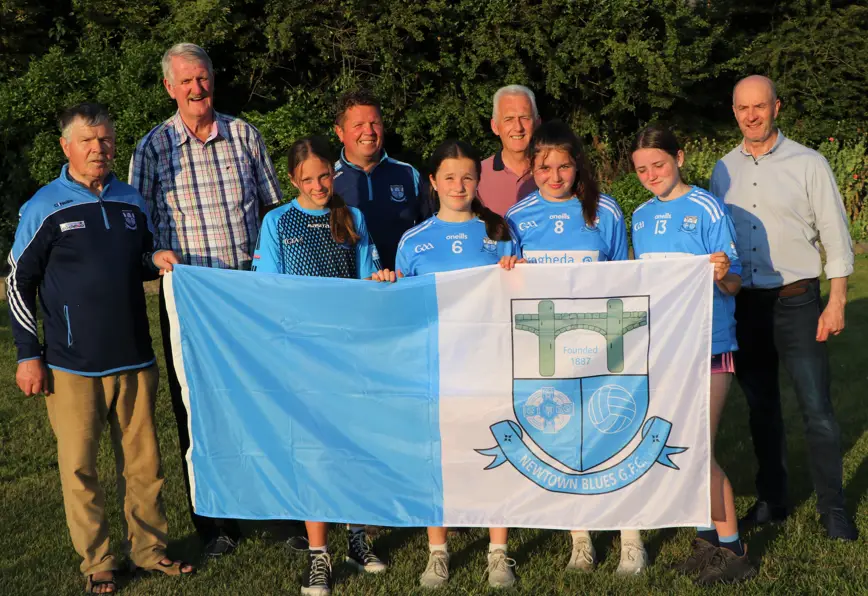
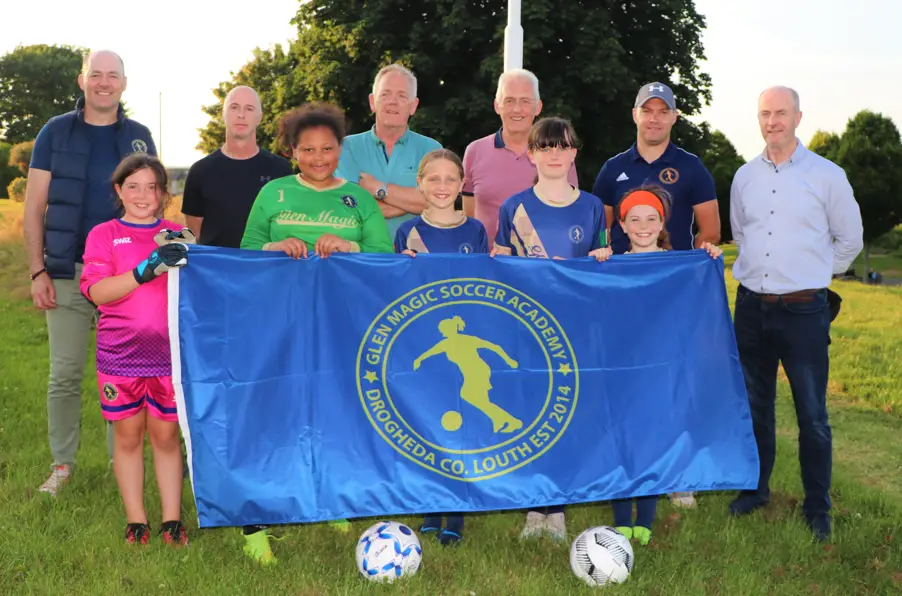
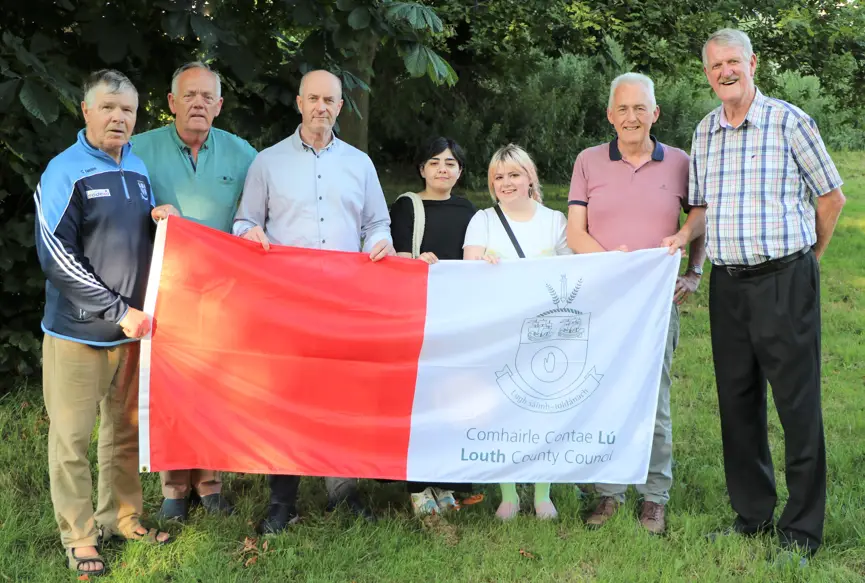
Working alongside local community groups, flagpoles were dedicated to organisations including Glen Magic Ladies Football Club, Newtown Blues GAA, and the Flax Mill Flower, symbolising the area’s historic connection to the flax industry. Drogheda Tidy Towns and the red and white Louth flags were also proudly included, with one spare flagpole reserved in hope of a future Green Flag Award.
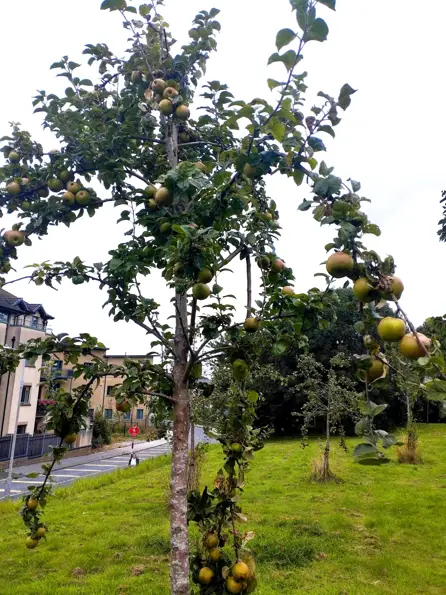
The final stage of development saw the creation of an orchard containing 100 fruit trees, including apple, pear, and cherry varieties with staggered blossom periods throughout the year. Three information signs were also installed to help visitors appreciate the park’s history, biodiversity, and ongoing development.

Remaining Work and Future Plans

There is still important work to be completed within the park. The stream basin remains heavily silted and overgrown with hedges and self-seeded trees, requiring further restoration. A survey carried out by Inland Fisheries Ireland revealed that oxygen levels in the water decrease the more you go upstream, highlighting concerns around pollution entering the stream.

Despite investigations, the source of the pollution has proven difficult to identify due to the complex network of nearby stormwater and sewerage drains. The issue has moved between the Council and the EPA without significant progress to date.
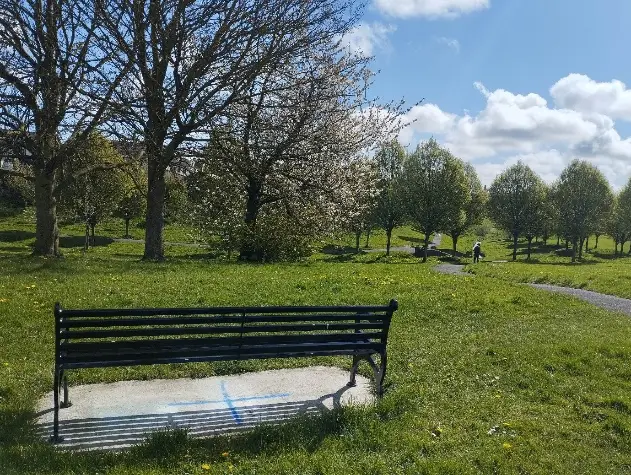
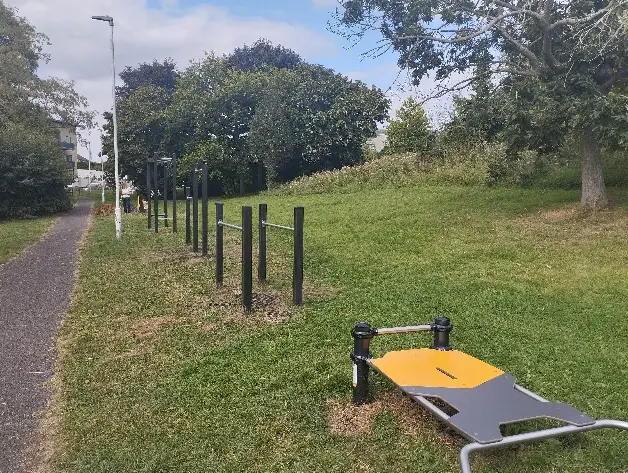
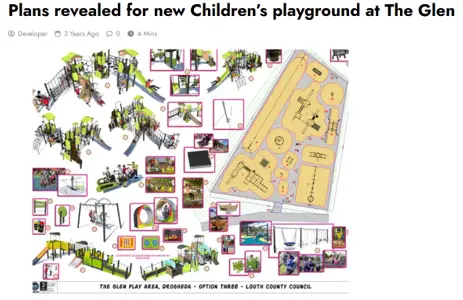
2025, saw the Council installed an outdoor gym within the park, further enhancing its value as a community space. This year, 2026, two new park benches were installed, funded through a Council grant matched by Drogheda Tidy Towns. A children’s playground is also expected to be developed in the near future.

Today, The Glen Park is very much a community park, cared for and respected by local residents. Thankfully, there has been very little vandalism of note. More than anything, the park provides a genuine sense of wellbeing — a peaceful and welcoming green space that continues to grow in importance for the local community.